
Cachupín
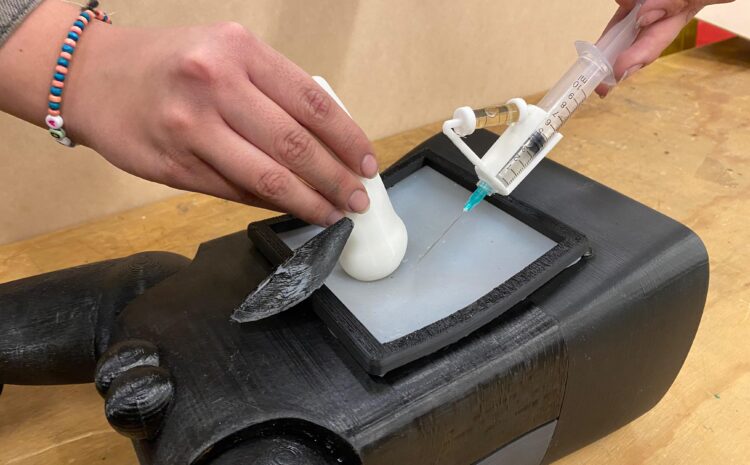
Veterinary education faces a critical challenge: the transition from theory to clinical practice. Traditionally, procedures such as cystocentesis (urine extraction through a puncture into the bladder) were practiced in a complex manner.
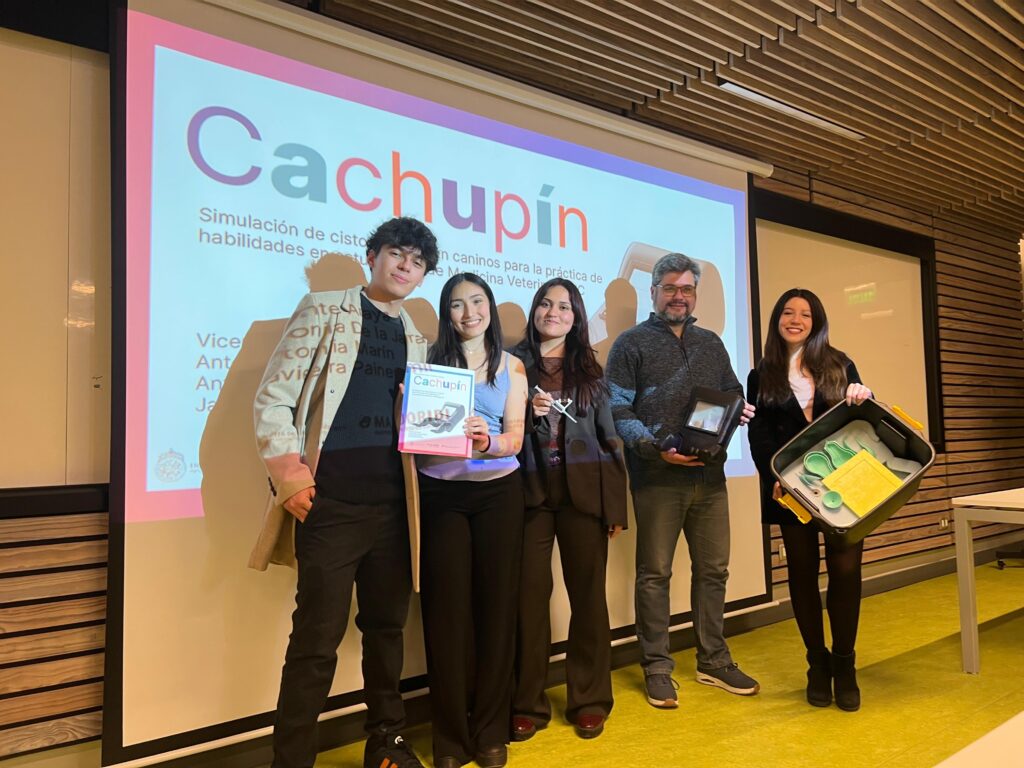
Thanks to Cachupín, a low-cost, ultrasound-compatible simulator designed by students at the Pontifical Catholic University of Chile, it overcomes various limitations of hands-on training with animals and provides a replicable and sustainable tool for canine cystocentesis train
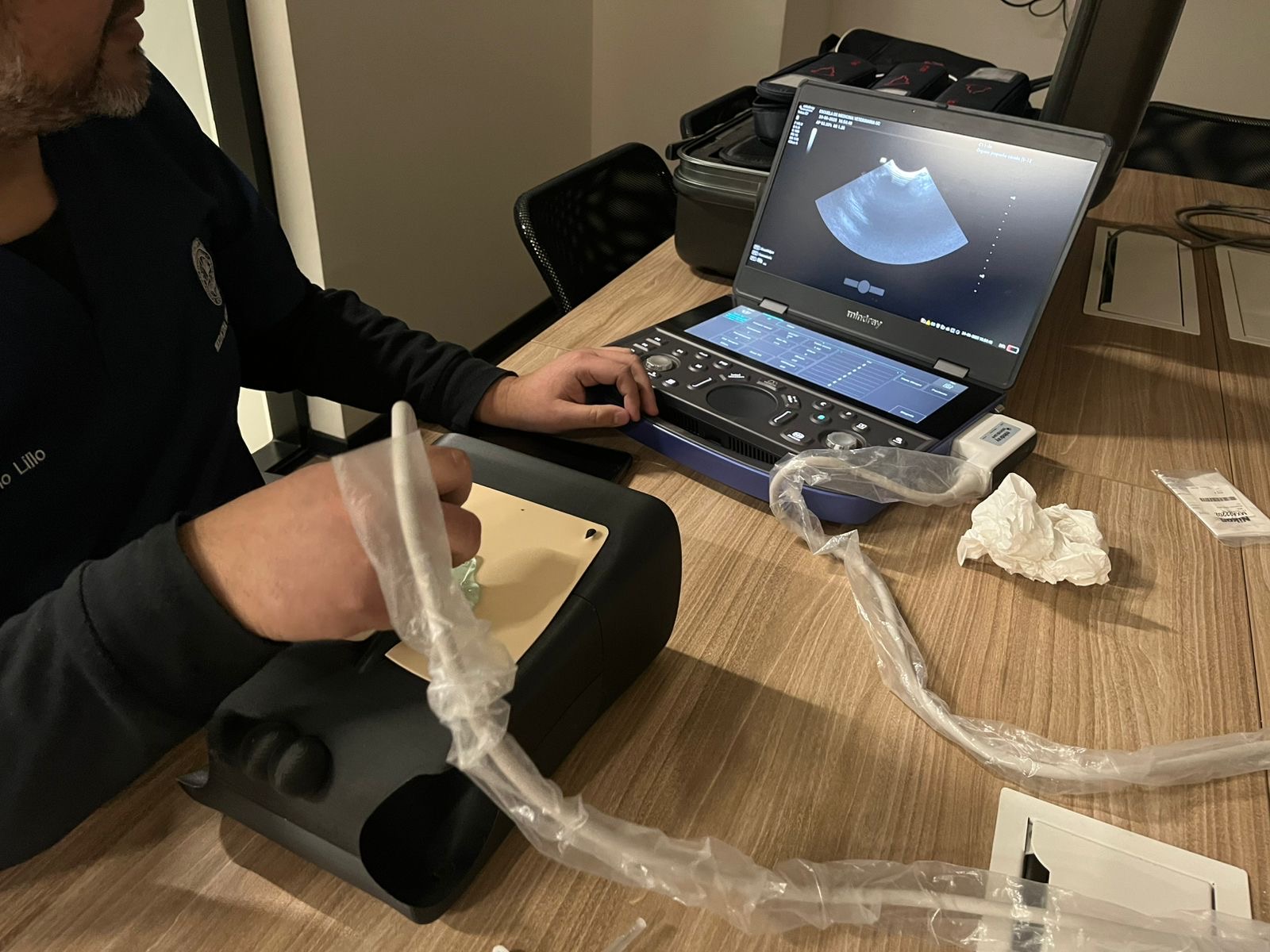
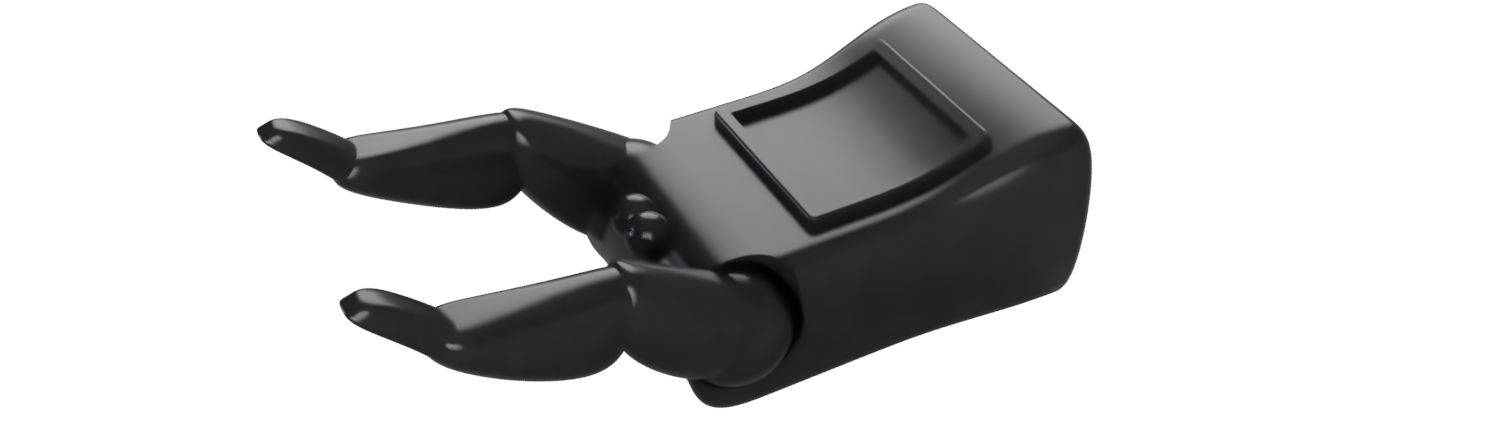
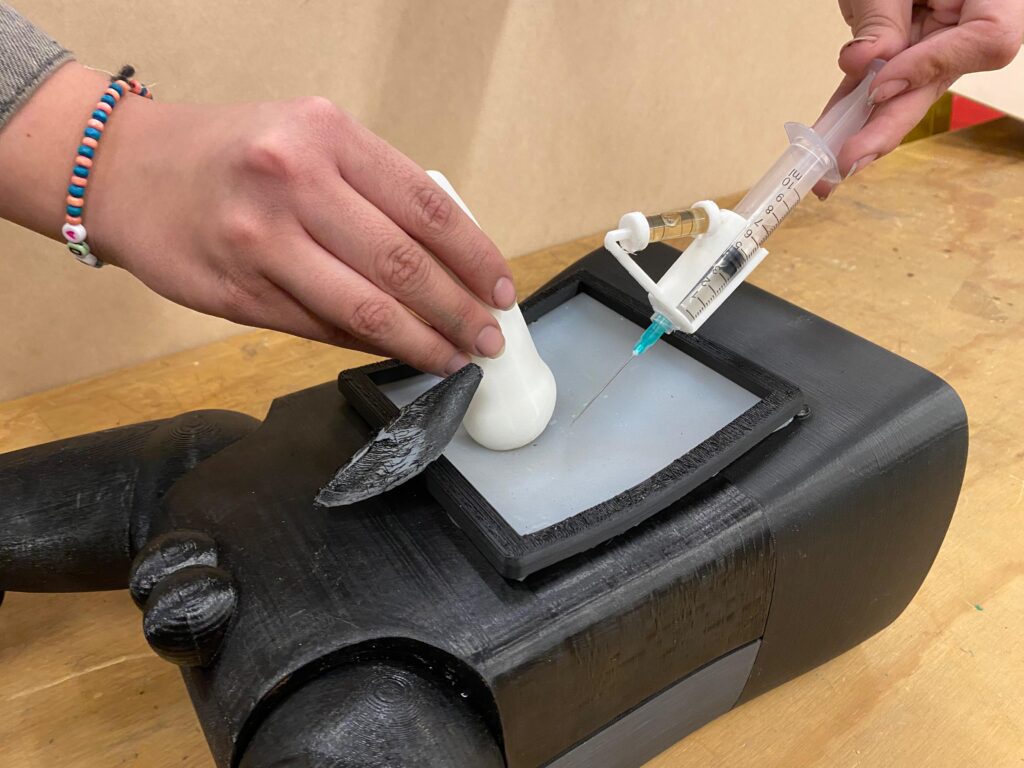
Unlike other models, Cachupín integrates industrial design and engineering to provide a comprehensive, accessible, and sustainable solution.
Institutional empowerment: by using 3D printing (PLA) and readily available materials, Cachupín enables faculties to manufacture and maintain their own equipment without relying on costly external suppliers.
Biomechanical fidelity: thanks to the use of specialized silicones, the simulator replicates the resistance and texture of the skin and bladder, allowing for a realistic hands-on experience.
Real ultrasound guidance: it is fully compatible with ultrasound equipment. Its echogenic design enables students to practice locating the bladder in real time.
Modular design for longevity: the simulator is completely disassemblable. This not only facilitates thorough cleaning, but also allows for the replacement of only the parts that experience wear from constant use, such as the skin membrane or the bladder.
Take a took at the video!
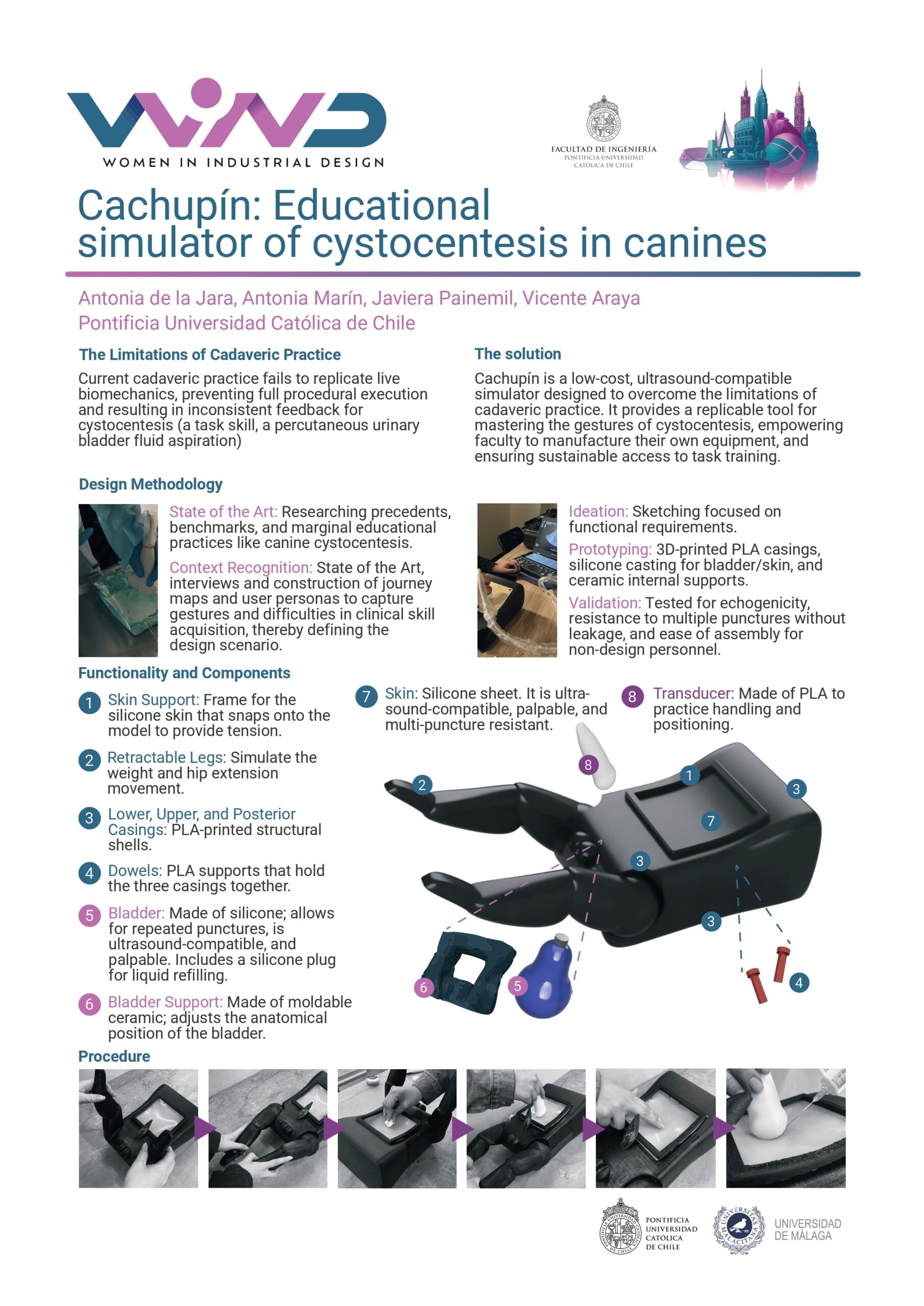
Take a look at the exhibition poster!
Students